
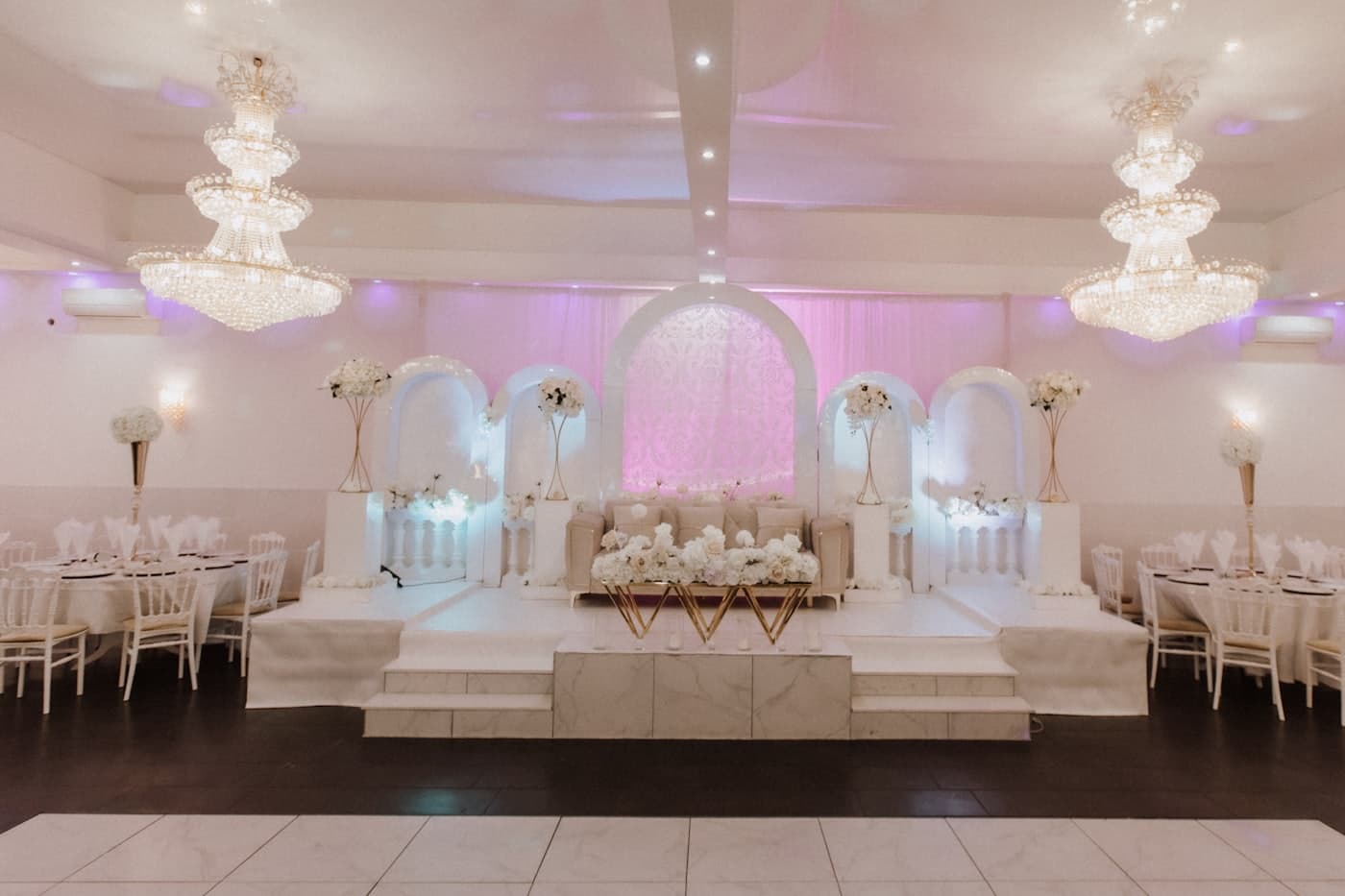
Planning a wedding in Lomé: the eight-week equipment timeline
· 7 min read
What to decide, and when, so that equipment never becomes the problem — week by week, from booking to take-down.
A wedding is prepared over months, but the equipment is only really settled in the final eight weeks. Too early and the numbers are still moving; too late and the stock is gone. Here is the schedule we recommend to families, and what is at stake at each step.
W-8: lock the date
It is the only thing that matters at this stage. In the dry season — November to March — Saturdays are booked two to four weeks ahead, and the large marquees go first.
An order of magnitude is enough to book: "around six hundred guests, seated dinner". Exact quantities come later, and they can move by 15 % without the booking having to be redone.
What gets decided: the date, the venue, the order of magnitude. What can wait: everything else.
W-6: settle the format
Seated dinner, cocktail, or both? This decision drives everything else — the number of chairs, the floor area, the tableware, right down to the type of sound system.
It is also the moment to settle the outdoor question. A reception under a marquee is not sized like one indoors: you have to plan for the ground, the lighting, and a fallback if rain arrives out of season.
W-4: visit the warehouse
Colours cannot be chosen on a screen. The ivory of a catalogue and the ivory of a tablecloth under warm lighting are not the same colour, and the difference shows in the photographs.
Our warehouses in Agôè-Démakpoè can be visited Monday to Saturday by appointment. Allow an hour: you see the chairs, the tableware ranges and the linen for real, and you leave with a decision rather than an intention.
W-3: freeze the quantities
This is the week the guest count becomes serious. Replies are in, the list is stable to within a few names.
Now go back to the ratios: one seat per guest plus 5 %, one table per ten, 2.5 plates per diner. A firm quote comes out of that, and it does not move again — unless you add something.
The classic trap: leaving children out of the count. They occupy a chair, use a plate and break glasses like everyone else.
W-2: the floor plan
The floor plan is not decoration: it determines where the waiting staff pass, where the sound system sits, where the dance floor opens.
A service aisle of one metre twenty between two rows of tables is not a luxury — it is what makes it possible to serve six hundred hot covers. We draw it with you from the venue's real dimensions.
W-1: confirm the access
The question everyone forgets: where does the truck come in?
A gate that is too narrow, a sloping yard, an upper floor with no goods lift — each of these details adds two hours to the set-up, and those two hours come out of the night before the ceremony. A twenty-minute site visit avoids them.
The day itself: set up before everyone else
Set-up finishes before the first guest arrives, without exception. That means starting early: for a reception at 6 p.m., the team is on site at 10 a.m.
Whatever is left for the final hour — fresh flowers, menus, guest favours — is prepared while the bulk is already in place.
Afterwards: the take-down
Take-down happens the next day, not the same evening. Nobody wants to count glasses at two in the morning, and that is how things get broken.
Return the equipment cleared but unwashed: washing is part of the service, and every piece goes back out checked for the next hire.
This schedule holds for a wedding of three to seven hundred guests. Below that, everything compresses without harm. Above it, add two weeks: it is not the equipment that runs short, it is the time to set it up.
More benchmarks worth knowing
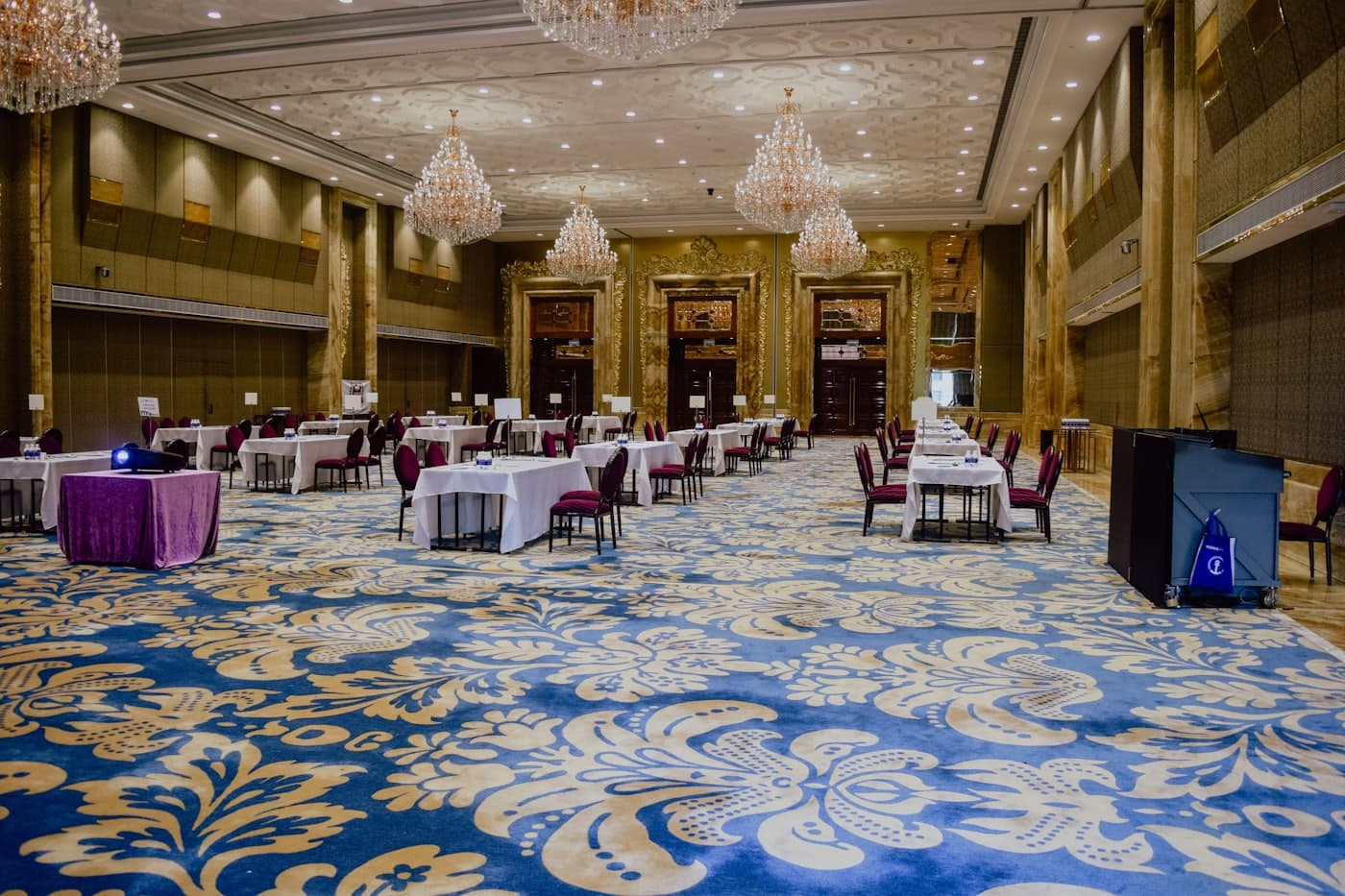
Equipment for a traditional ceremony
Dowry, blessing, end-of-mourning: these ceremonies are not sized like a Western reception. What changes, and why.
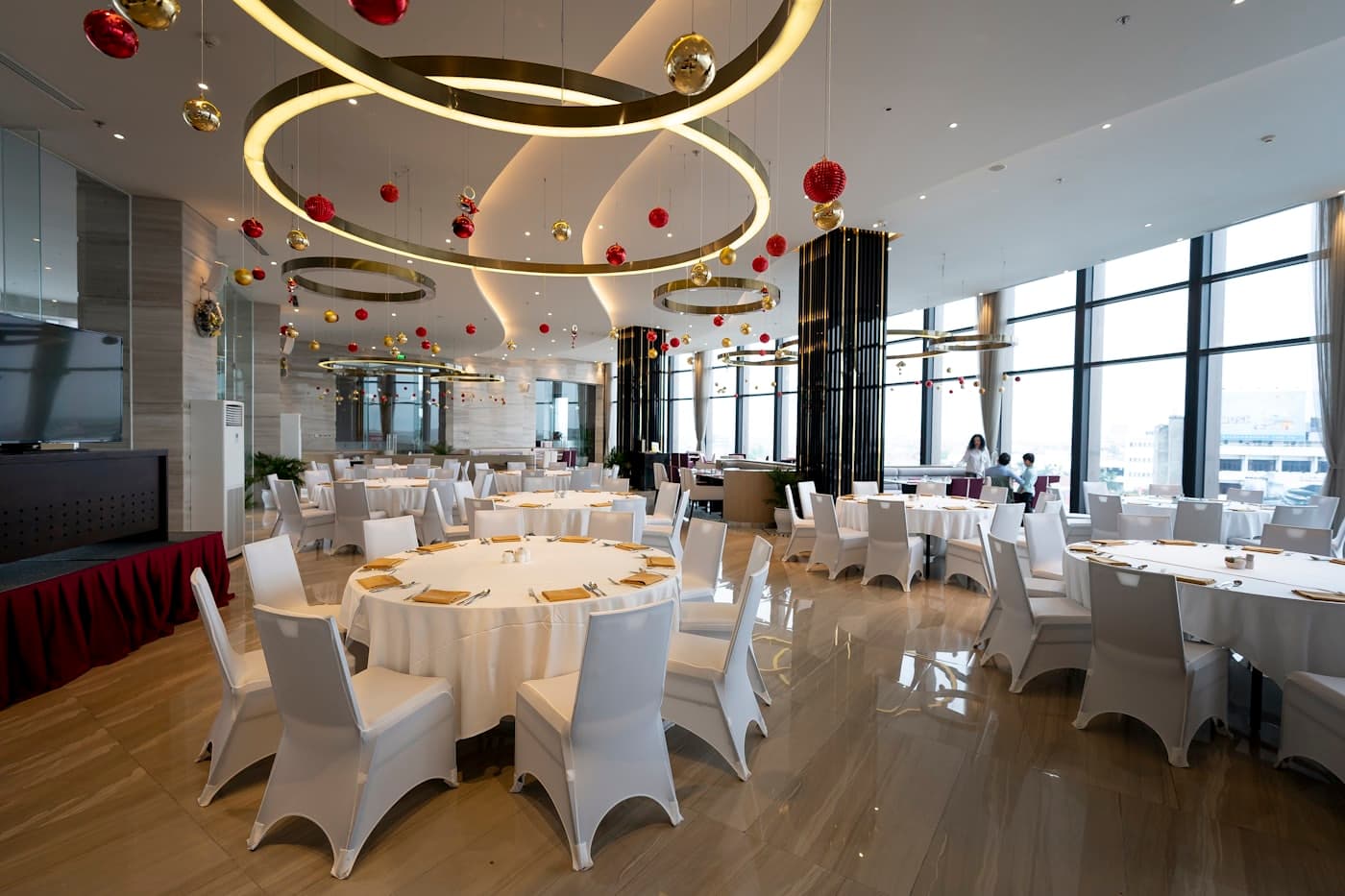
Rent or buy your equipment?
From how many events a year does buying pay off? The full calculation, hidden costs included — and why the answer often comes as a surprise.
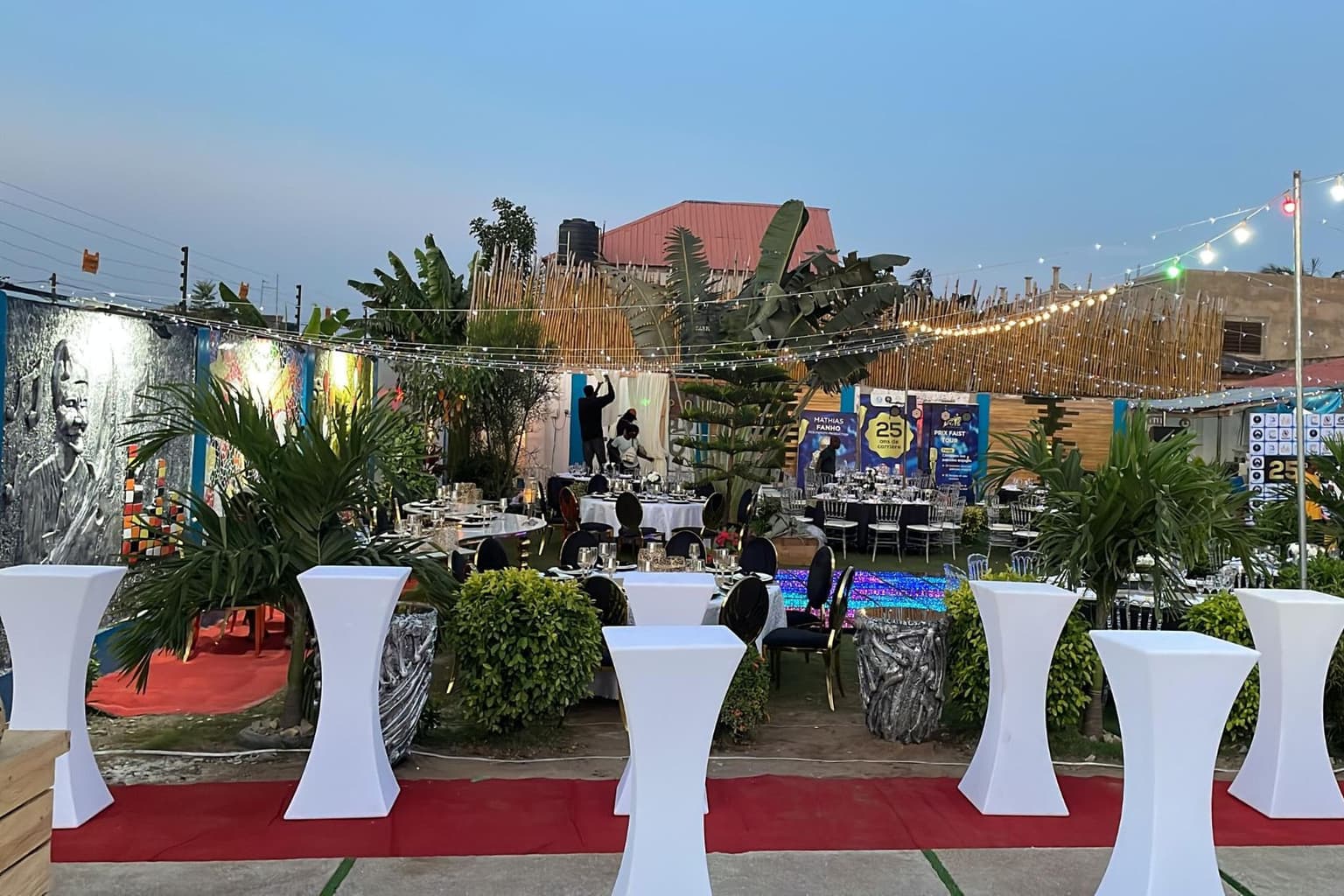
Let's talk about your next project
Date, venue, number of guests — or an equipment list, a brief, a farm to equip: you receive a costed proposal within 24 hours.