
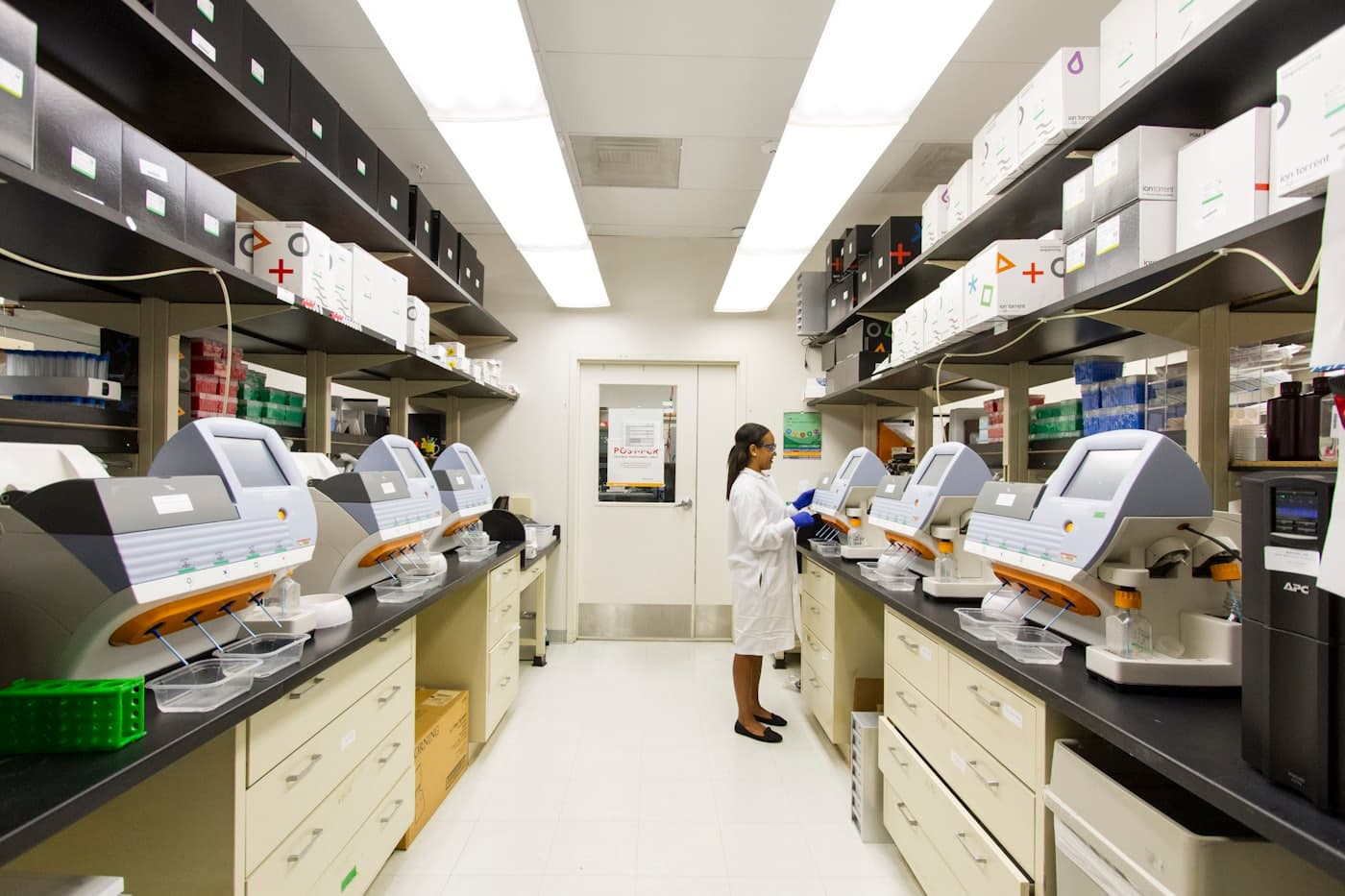
Equipping a medical analysis laboratory: standard list and budget
· 7 min read
What to plan for when opening or modernising a medical analysis laboratory — item by item, with the trade-offs that really weigh on the budget.
An analysis laboratory is not judged by its most expensive analyser, but by its ability to return a reliable result every day. This list follows the order in which we equip: the items that block activity first, those that improve it after.
1. Sampling and reception
The least costly item, and the one that decides the quality of everything else. A poorly taken or poorly stored sample invalidates the most sophisticated analysis.
- Phlebotomy chairs, tourniquets, tube racks;
- Vacuum tubes by analysis type, needles, safety systems;
- Storage refrigerator with a temperature logger;
- Labelling and an intake register.
The temperature logger is not optional: it is the component that lets you prove, if ever challenged, that the cold chain held.
2. Centrifugation and preparation
- Bench centrifuge, capacity matched to daily throughput;
- Variable-volume micropipettes, with matching tips;
- Shaker, water bath, timer.
The trade-off that counts: the number of buckets on the centrifuge. An undersized machine forces you to run two batches, which doubles preparation time at peak hours — often between 7 and 10 a.m., when most patients arrive.
3. Analysis
This is the heaviest item, and the one where the choice commits you for years.
- Biochemistry analyser — the heart of day-to-day activity;
- Haematology analyser — full blood count;
- A good binocular microscope, with an immersion objective;
- Strip reader, coagulation instrument depending on your focus.
The real cost is not the instrument, it is the reagents. An analyser bought at a good price but whose reagents are proprietary, imported and expensive will cost more over two years than a competitor that is dearer to buy. Always ask for the cost per test, reagents and calibrators included, and project it onto your real volume.
Also check local availability of after-sales service. An analyser down for three weeks waiting for a part means activity stopped.
4. Quality control
Often dealt with last, it should come first.
- Control sera, run every day;
- Calibrators, at the frequency the manufacturer prescribes;
- A control register and written procedures.
Without daily control, nothing distinguishes a correct result from a drifted one — and an analyser's drift cannot be seen by eye.
5. Safety and disposal
- Fume hood or microbiological safety cabinet depending on the analyses performed;
- Sharps containers and a disposal route;
- Autoclave if bacteriology is performed;
- Personal protective equipment in sufficient quantity.
6. Computing and power
- Data entry station, report printer, management software;
- A UPS for every analyser;
- A generator or back-up solution.
In our climate, a power cut is not an exceptional event: it is a design parameter. An analyser that stops mid-cycle loses the run in progress, and sometimes its calibration.
What weighs most on the budget
In decreasing order, over three years of operation:
- Reagents and consumables — by far the largest item;
- The analysers;
- Maintenance and service contracts;
- Furniture and fitting out;
- Small instrumentation.
An equipment plan that reasons only about purchase price is therefore wrong about its main item.
How we work
TBS Equipment supplies medical furniture, instruments, glassware, reagents and consumables, with tracked delivery and scheduled replenishment — it is that last point which prevents shortages mid-month.
For an opening or a modernisation, the Studies & Consulting branch sizes the equipment from the expected volume of analyses rather than from a catalogue. That usually changes the list, and always the budget.
More benchmarks worth knowing
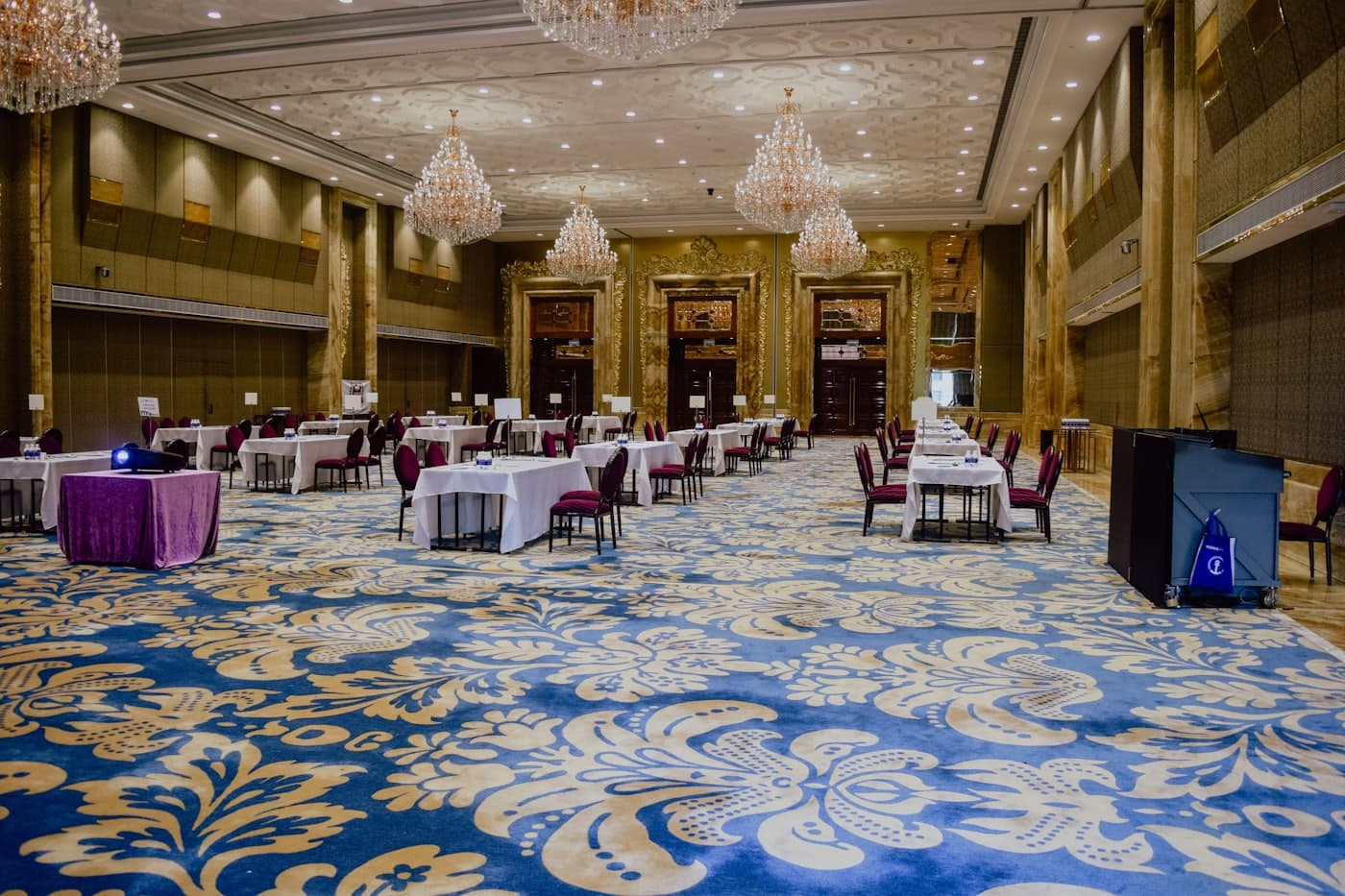
Equipment for a traditional ceremony
Dowry, blessing, end-of-mourning: these ceremonies are not sized like a Western reception. What changes, and why.
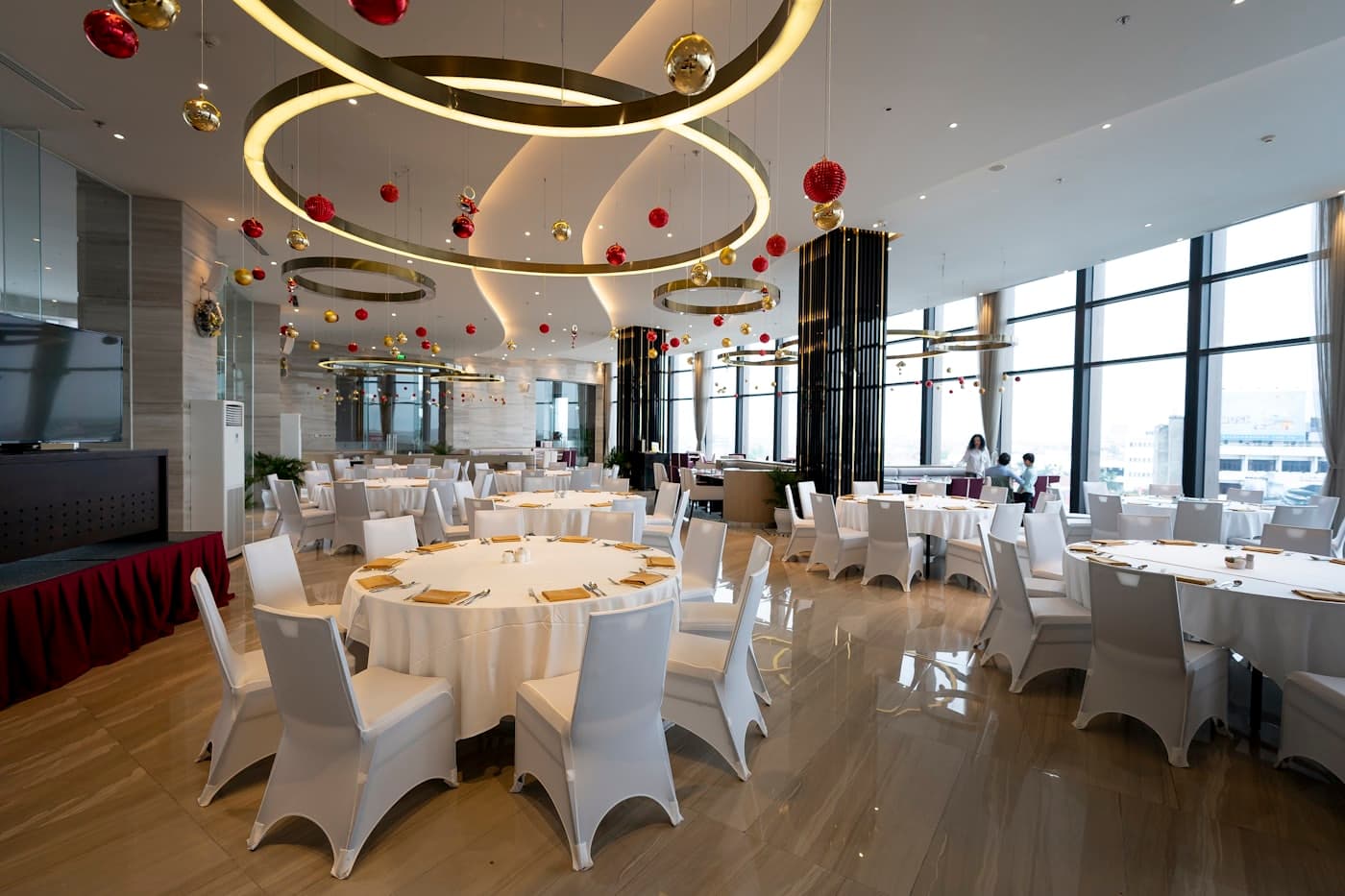
Rent or buy your equipment?
From how many events a year does buying pay off? The full calculation, hidden costs included — and why the answer often comes as a surprise.
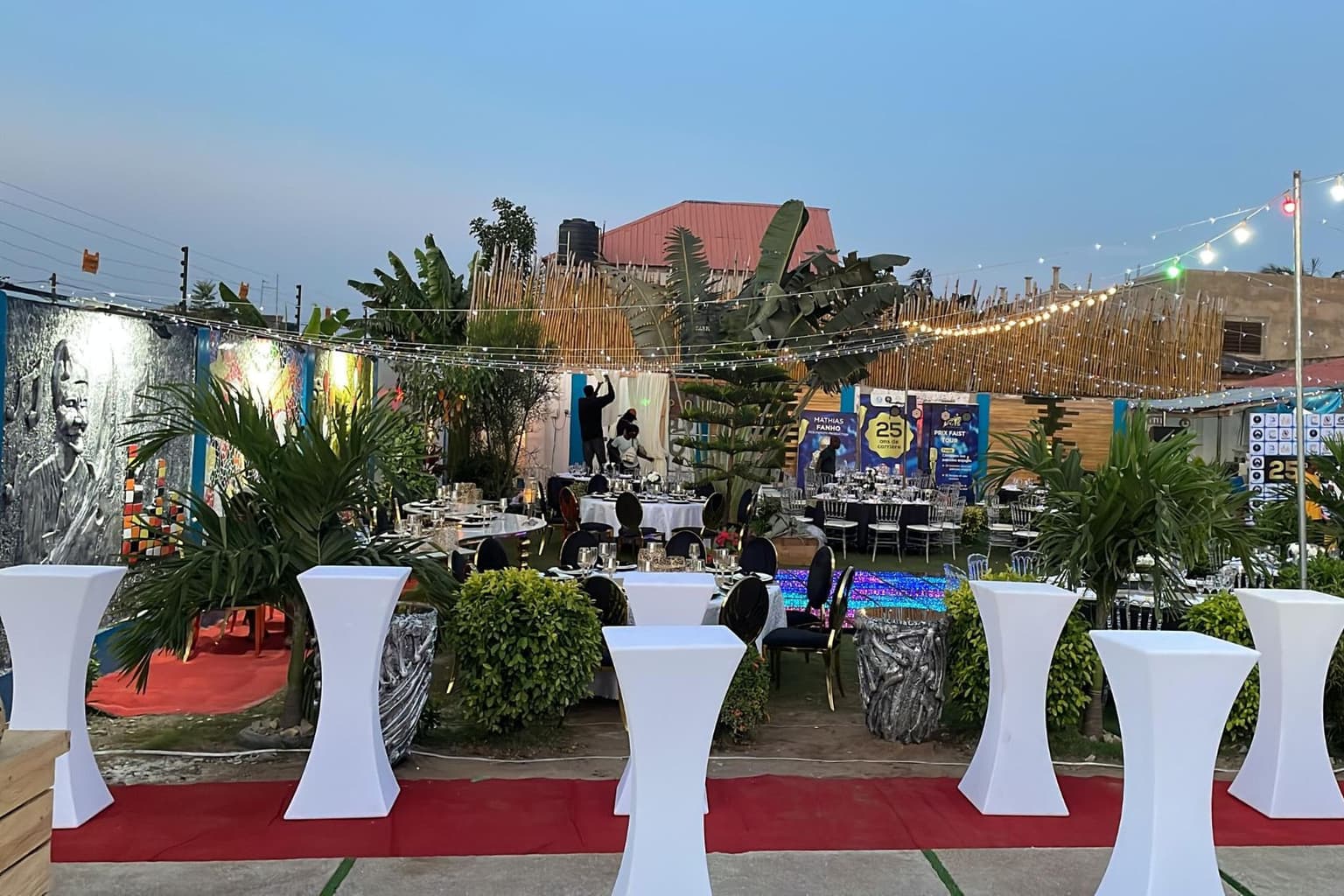
Let's talk about your next project
Date, venue, number of guests — or an equipment list, a brief, a farm to equip: you receive a costed proposal within 24 hours.